
It's a common dilemma. You buy a beautiful pair of shoes, but they just aren't comfortable. Maybe they pinch at the heel, lack arch support, or leave your feet burning on the balls after an hour.
You know you need something to fix it, but walking down the foot care aisle can be confusing. Should you get a full insole? A heel grip? A ball-of-foot cushion?
Making the wrong choice can actually make your shoes tighter and more uncomfortable. The right choice, however, can transform a "sitting-only" shoe into an all-day favourite. Let's break down exactly what you need for every type of shoe in your closet.
Understanding Foot Comfort Solutions for Women
Women's footwear is incredibly varied, from strappy sandals to sturdy boots, and our feet have different needs for each.
Types of Shoe Inserts: Full-Foot Insoles vs Partial Pads
Think of it this way:
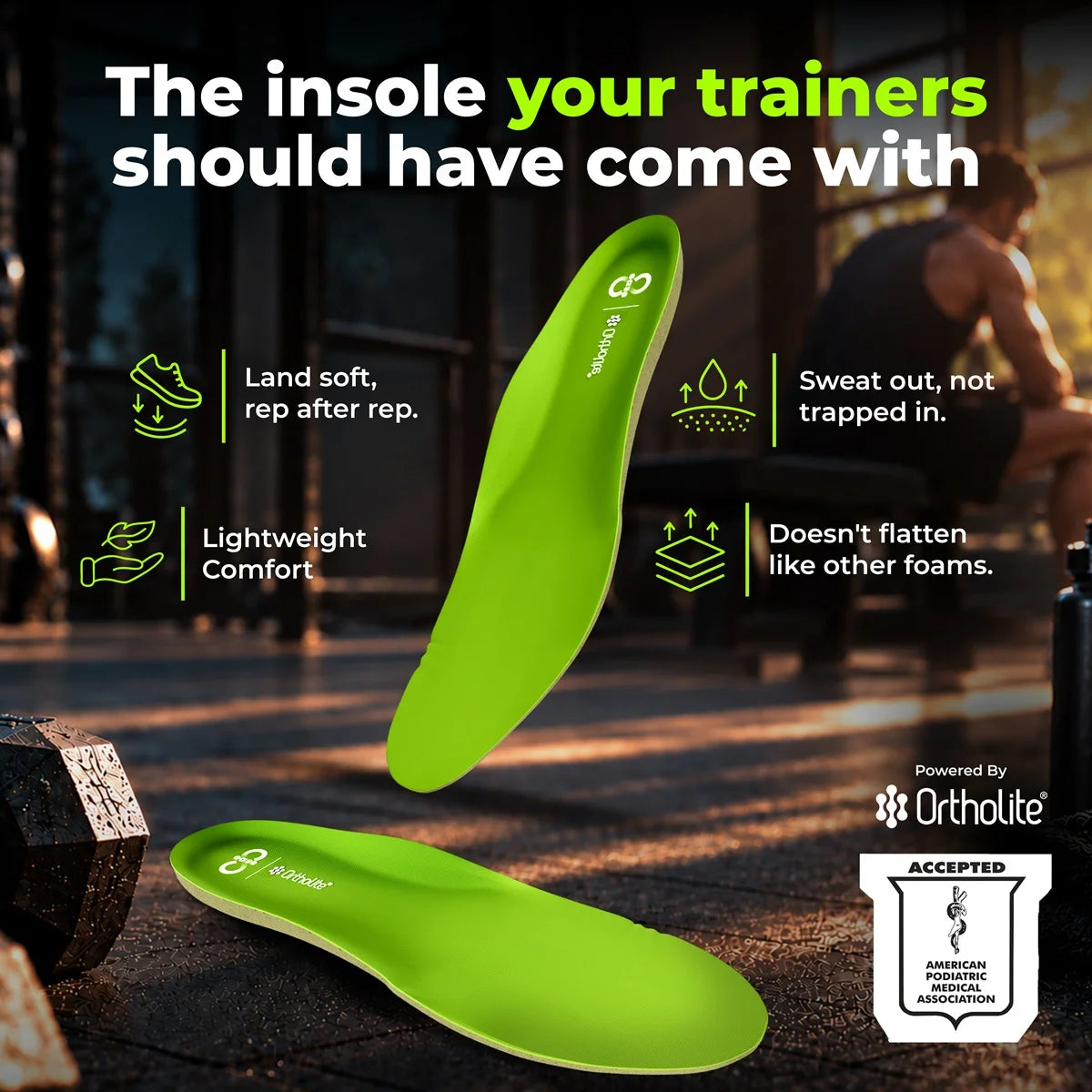
- Full-Foot Insoles are like a new mattress for your shoe. They replace or sit atop the existing footbed, providing support from toe to heel. They are about the overall structure and shock absorption.
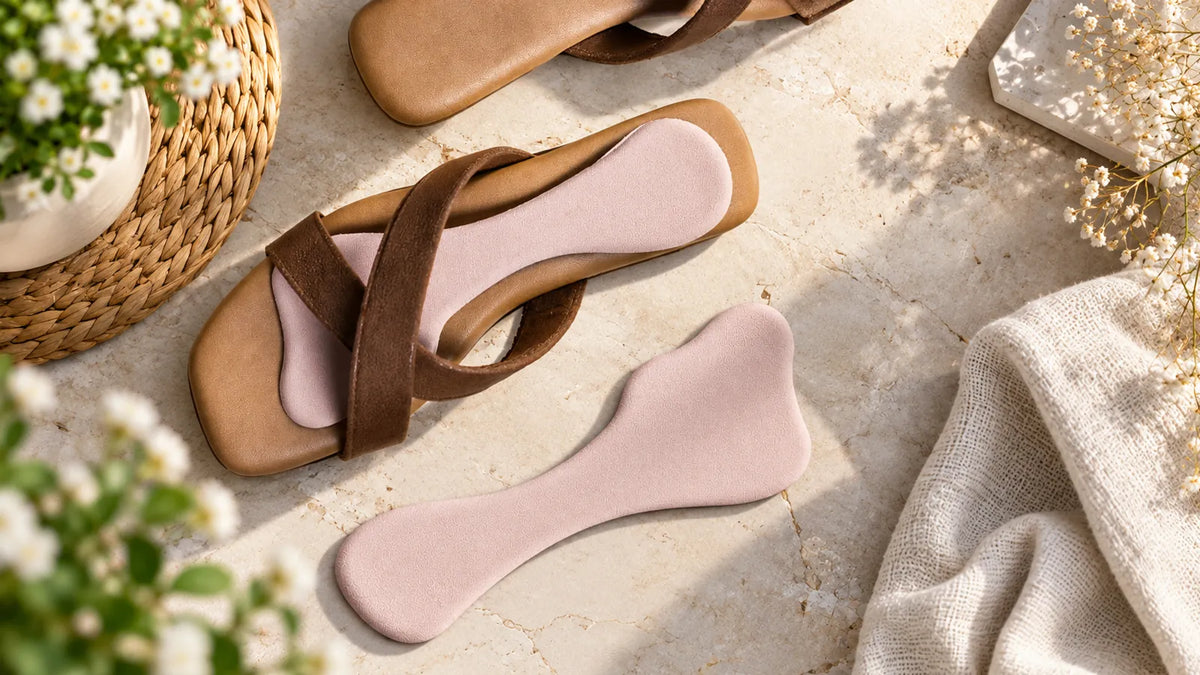
- Partial Pads are targeted problem-solvers. They are smaller cushions designed to fix a specific pain point, like a blister on your heel or burning pain in the ball of your foot, without changing the fit of the whole shoe.
Common Foot Pain Issues Faced by Women
We deal with unique challenges. High heels force weight onto the ball of the foot. Flats often have zero arch support. New shoes cause friction blisters on the heel. Identifying where it hurts is the first step to fixing it.
Full-Foot Insoles: Benefits and Considerations
Full-foot insoles are the heavy lifters of foot care. They are designed to cradle the entire foot.
When to Choose Full-Foot Insoles
Choose a full insole for comprehensive support. If you have general foot fatigue, arch pain, or if your shoes feel a bit loose or roomy, a full insole is the answer. They are also excellent for replacing worn-out factory insoles in sneakers or boots.
Pros and Cons for Different Shoe Types
- Pros: They offer maximum cushioning, arch support, and stability. They can bring orthotic-like comfort and support to flat shoes.
- Cons: They take up space. In a tight dress shoe or a low-profile ballet flat, a full insole might crowd your toes, making the shoe feel too small.
For daily wear in roomy shoes like sneakers or boots, the 8ease Daily Relief Arch Insole (₹549) is ideal. For flats and women's shoes with less room, the slimmer Belle SoleComfort (₹799) is the full-length option. They provide the structural support needed for long days on your feet.
Partial Pads (Heel & Ball Cushions): Targeted Support
Sometimes, less is more. Partial pads are perfect when you have a specific "ouch" spot but don't want to change the rest of the shoe's fit.
Who Should Use Partial Pads?
If your shoes fit well generally but hurt in one specific area, go for a partial pad. They are lifesavers for dress shoes, heels, and sandals where a full insole would be visible or bulky.
Best Uses for Heel Pads, Ball-of-Foot Cushions, and Shoe Bite Protectors
- Heel Pads: helpful for relieving pressure and reducing pain from heel spurs or plantar fasciitis. They absorb the shock of heel strike. The 8ease ComfortStep Heel Pads (₹279) are designed exactly for this in closed shoes; for heels and sandals, the Belle HighHeel Wellness pad (₹279) is shaped for a narrow heel bed.

- Ball-of-Foot Cushions: A must-have for high heels. They cushion the metatarsal area where all your weight shifts. That is the Belle ForefootComfort (₹279).
- Shoe Bite Protectors: These stick to the back of the heel counter to prevent rubbing and blisters. That is the Belle BiteGuard strips (₹279). For flats and sandals that slide, Belle GripEase non-slip pads (₹279).
Key Factors in Making Your Choice

Don't just guess. Consider these factors before you buy.
Assessing Fit, Lifestyle, and Activity Level
- Fit: Is the shoe tight? Use a thin partial pad. Is it loose? A full insole can help fill the gap.
- Activity: Standing all day? You need the full support of an insole. Sitting at a desk but walking to meetings? Heel pads might be enough.
How to Test Comfort and Fit Before Purchase
Always try before you fully commit. Place the insole or pad in the shoe without removing the adhesive backing first. Walk around on a carpeted surface. Does your heel slip? Are your toes crushed? Only peel and stick once you're sure.
| Shoe Type | Recommended | Why |
|---|---|---|
| Flats | Partial Pad | Avoids shoe-bite and delivers targeted comfort in low-profile shoes. |
| Heels | Partial Pad | Provides relief for the ball of the foot and heel without crowding toes. |
| Sneakers | Full Insole | Offers complete arch and heel support; sneakers usually have room for them. |
| Boots | Full Insole | Adds full-foot warmth, stability, and fills volume in roomy boots. |
| Sandals | Partial Pad | Discreet placement is key for exposed feet; full insoles often show. |
Small Fixes, Big Comfort: A Final Word

Whether you choose a full insole or a partial pad depends entirely on your shoe and your specific pain. You don't have to suffer for style.
By matching the right solution to the right shoe, you build a foundation of comfort.
Remember, 8ease supports you at every step. For targeted heel pain in your dress shoes, the 8ease ComfortStep Heel Pads offer targeted relief. For all-day standing in flatter shoes, the full-length Daily Relief Arch Insole provides total support.
And for the rest of your day? We have you covered there, too. The 8ease Circulo Active Mat keeps you energised while standing, and the Circulo Focus Seat Cushion keeps you comfortable while sitting.
It's about creating a cycle of comfort that lasts all day long.
Frequently Asked Questions (FAQs)
Can I use both full-foot insoles and partial pads together?
Generally, no. It usually makes the shoe too tight. However, if you have very roomy boots, you might layer a heel pad under a flat insole, but it's often better to find one good insole that does it all.
Which is better for high heels: insoles or pads?
Partial pads are almost always better for high heels. High heels are form-fitting. A full insole lifts your foot, which can cause your heel to slip out of the shoe. A ball-of-foot cushion combined with a heel grip is the standard "heel hack."
Will insoles or pads fix shoe bite?
Yes. A heel grip (a type of partial pad) placed at the back of the shoe acts as a barrier between your skin and the shoe leather, preventing friction blisters.
Do these inserts help with flat feet or plantar fasciitis?
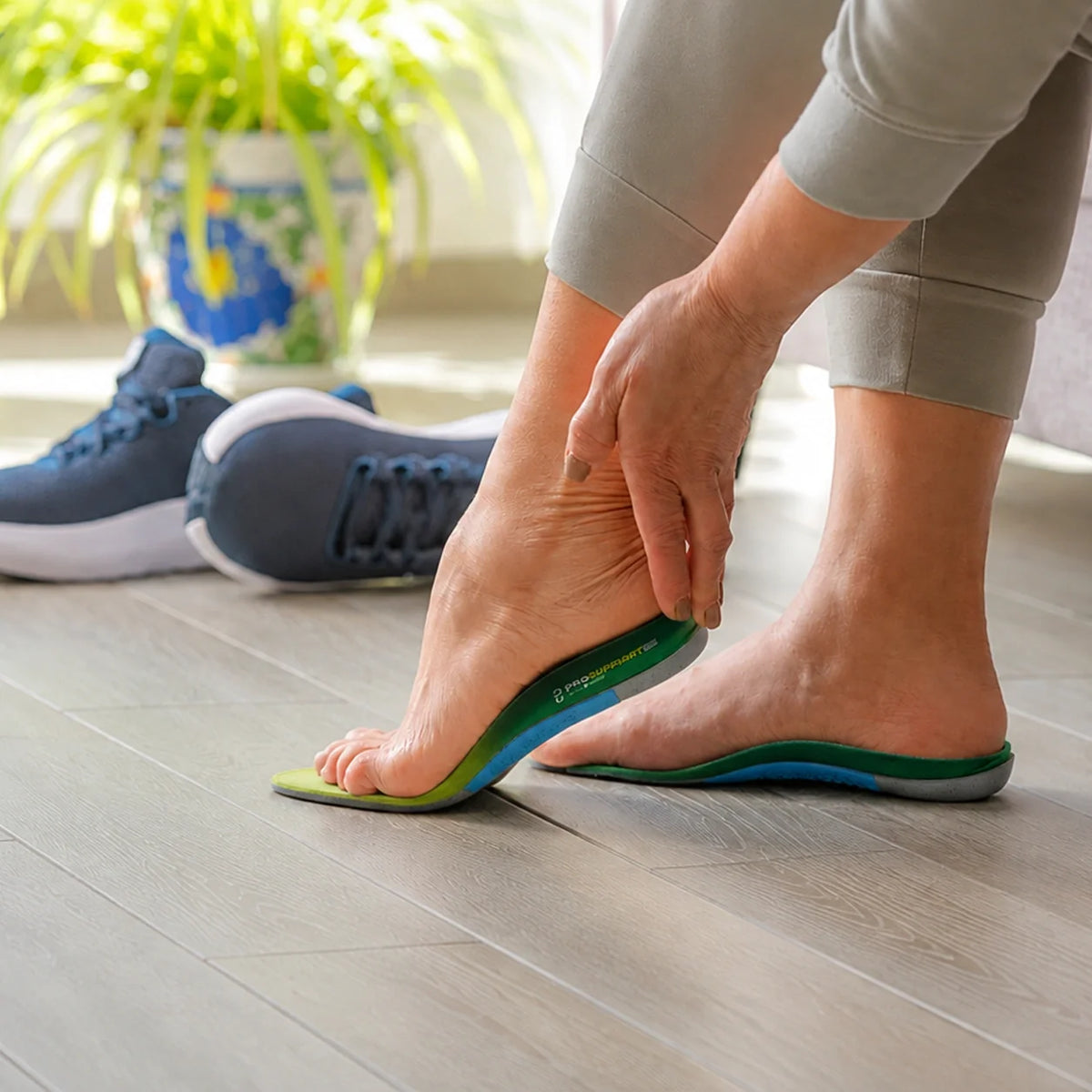
Yes. For flat feet, a full insole with a structured arch, like the ProSupport Low Arch, is the right choice. For plantar fasciitis, a heel pad like the 8ease ComfortStep helps with heel soreness in closed shoes, but sharp morning heel pain that has lasted weeks needs a full insole with a deep heel cup, the Plantar Specialist.
How long do insoles and pads last?
It depends on usage. A good full insole can last 6-12 months. Gel pads might last a season. Foam pads eventually compress. If they look flattened or are starting to peel up, it's time to replace them to maintain foot health.
Which 8ease is right for you?
| If this sounds like you | Start with | Price |
|---|---|---|
| Flats, loafers and roomier women's shoes | Belle SoleComfort | ₹799 |
| Sneakers, boots and everyday shoes | Daily Relief Arch Insole | ₹549 |
| Heel pain in heels and sandals | Belle HighHeel Wellness | ₹279 |
| Burning under the ball of the foot in heels | Belle ForefootComfort | ₹279 |
| Shoe bite from new shoes | Belle BiteGuard strips | ₹279 |
| Flats or sandals that slip | Belle GripEase | ₹279 |
| No arch support in flats and sandals | Belle ArchEase Cushions | ₹279 |
Free delivery above ₹599. 15-day easy returns. Ships in 5 to 7 days.
This article is general information, not medical advice. If pain is severe, sudden, or does not ease with support and rest, please see a doctor or physiotherapist.
Related blogs