
Indian women lead hectic lives, juggling work, family, commutes, and social events. Through it all, their feet carry them, often in footwear that values style over comfort.
It's a familiar feeling, that throbbing pain in the heels after a wedding, or the dull ache after a day of running errands on hard, tiled floors. Foot care is often treated as a luxury, something for a rare pedicure. But it's not. It's an essential part of daily health, just like caring for skin or hair.
Good foot care isn't complicated. It's about a few simple, brilliant hacks that can prevent pain, keep feet soft, and help a person feel good from the ground up.
Why Foot Care is Needed
Feet take a beating, especially in India. The environment and lifestyle create a unique set of challenges:

- Hard Floors: Most homes have tile, marble, or granite floors. These unforgiving surfaces offer zero shock absorption, leading to foot, knee, and back pain.
- Lifestyle: Many women spend long hours standing in the kitchen, commuting by train or bus, or at standing workstations.
- Footwear: While beautiful juttis, chappals, and sandals are popular, the reality is that most of them are completely flat and offer no support for the foot's natural arch.
This combination of factors leads to common problems, including cracked heels, fungal infections (especially during the monsoon), and chronic pain, such as plantar fasciitis. A simple foot care routine is the best defence.
This is why 8ease has focused on creating solutions that support the body from the ground up.
Using the globally-patented Sp1ke™ Technology, these products are designed to work with the body, not just cushion it.
This science uses biomimicry to provide gentle, somatosensory stimulation. This helps improve blood and oxygen flow, supporting the vital connection between your feet, body, and mind.
This approach turns simple comfort into an act of daily wellness.
Daily Foot Care Routine for Indian Women

Great foot care starts with simple, daily habits. A truly effective daily routine for Indian women focuses on four key areas: basic hygiene to prevent infection, regular moisturising to combat dryness, traditional remedies for softness, and proper exfoliation to remove dead skin.
How to Keep Your Feet Clean and Infection-Free at Home
This is the most basic and essential hack. Feet should be washed with soap and water every single night. The most critical part? Drying them completely. One must pay special attention to the skin between the toes. In India's humid climate, this damp area is a prime spot for fungal infections. A few extra seconds of drying can prevent weeks of itchy, peeling skin.
Best Moisturisers for Cracked Heels in India
Cracked heels are very common, thanks to dry winters and the friction from open-back sandals. The hack isn't just about moisturising, but about doing it smart. A person should look for a thick foot cream containing ingredients such as urea, lactic acid, or shea butter.
It should be applied generously to the heels and feet after the nightly wash, then a pair of clean cotton socks can be worn. This locks in the moisture overnight.
Top Indian Home Remedies for Foot Softness (Haldi, Coconut Oil, Besan Packs)
Fancy products aren't always needed. A quick foot pack, a true "nani ka nuskha," can work wonders. This simple pack can be tried once a week:
- Mix 1 tablespoon of gram flour (besan) with a pinch of turmeric (haldi).
- Add just enough coconut oil or milk to form a thick paste.
- Gently scrub this onto damp feet for a few minutes, then rinse. The besan exfoliates, the haldi helps heal, and the oil moisturises.
Exfoliating and Scrubbing Techniques for Smooth Feet
A big mistake is scrubbing dry, cracked heels too hard, as this can damage the skin and make it worse. The best hack is to soak first. After a 10-minute soak in warm water, the skin will be soft. Then, a pumice stone or a foot file can be used with gentle, one-way strokes. This should be done only 1-2 times a week. Over-exfoliating can strip the skin of its natural oils.
Footwear Tips for Maximum Comfort
This is where most foot pain can be prevented before it even starts. The most important tips involve choosing the right shoes for different occasions, understanding the essential role of supportive insoles, and knowing how to make even difficult footwear, like high heels, more manageable.
Best Shoes for Indian Women: Office, Ethnic, and Daily Wear
- Office: If heels are a must, a block heel is a better choice over a pencil-thin stiletto, as it distributes weight more evenly. Wedges are even better.
- Ethnic: Many juttis and Kolhapuris are now made with a cushioned footbed. It's worth the small extra cost. The rock-hard, flat leather soles should be avoided for all-day wear.
- Daily Wear: For running errands or a commute, nothing beats a good pair of sneakers or supportive sandals. The key is to look for a shoe with a slight heel (about 1 inch) and a supportive arch.
Why Comfort Insoles and Cushioned Foot Pads Are Essential
Here is the best hack of all: A woman doesn't have to throw away her favourite shoes; she has to upgrade them. Most shoes, even expensive ones, come with a flimsy, useless piece of foam inside.
This is where comfort insoles come in.
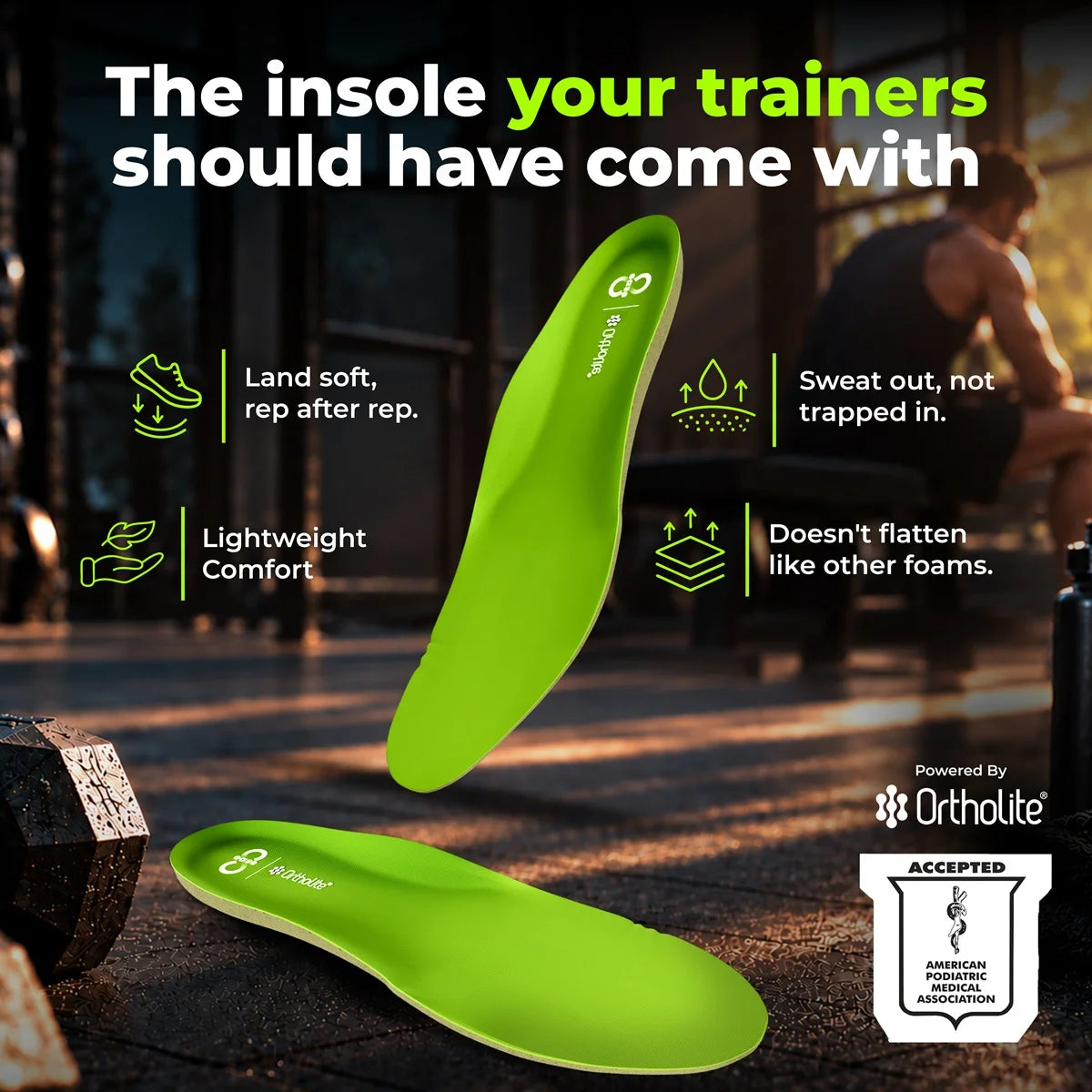
A high-quality insole, like the 8ease Daily Relief Arch Insole (₹549), provides the two things feet desperately need:
- Arch Support: It supports the foot's natural arch, which is critical for fighting pain from flat feet and plantar fasciitis.
- Cushioning: It's like a portable anti-fatigue mat, absorbing the shock from hard tile and concrete floors.
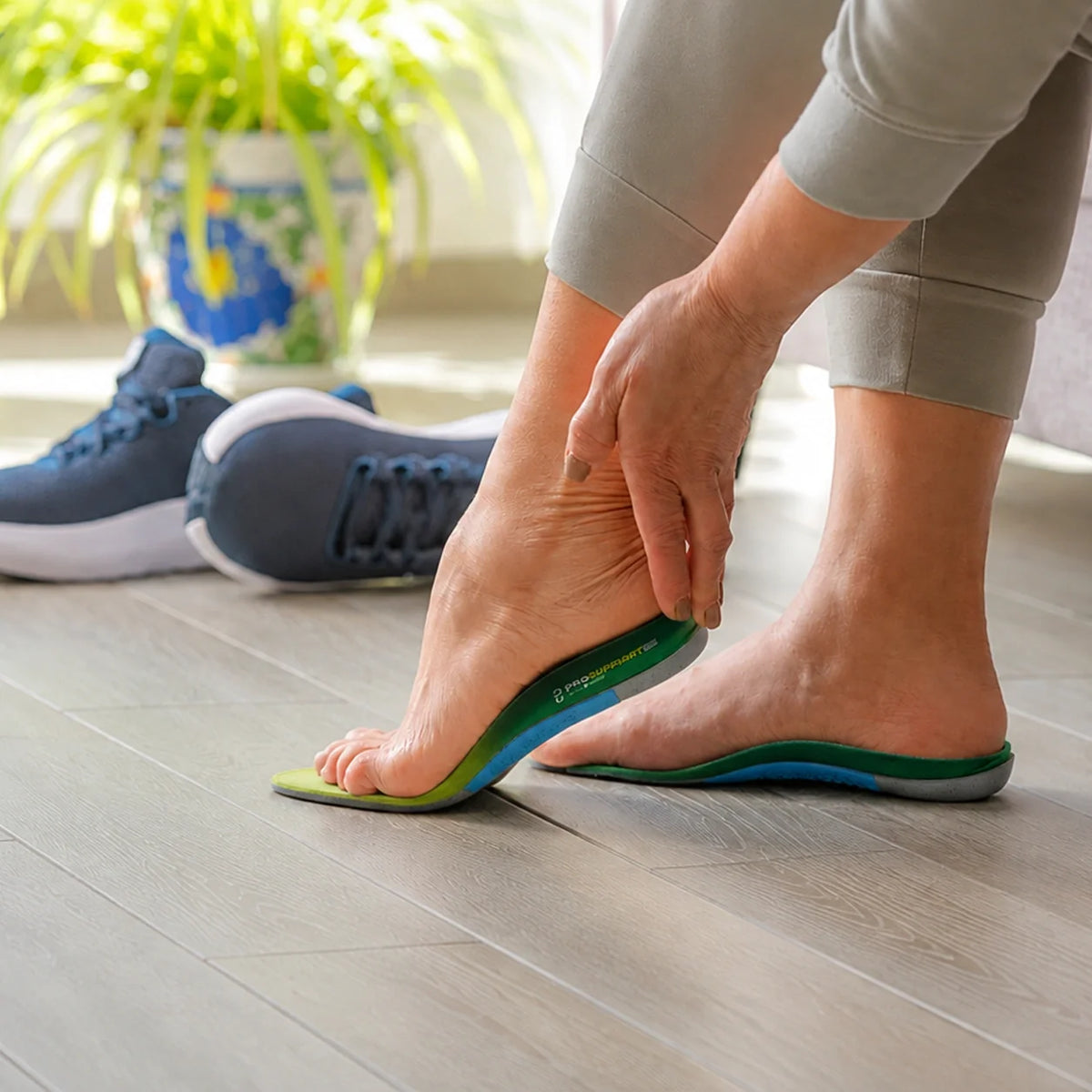
These insoles are trim-to-fit, so they can be put in sneakers, office shoes, and even juttis to make them comfortable for all-day wear.
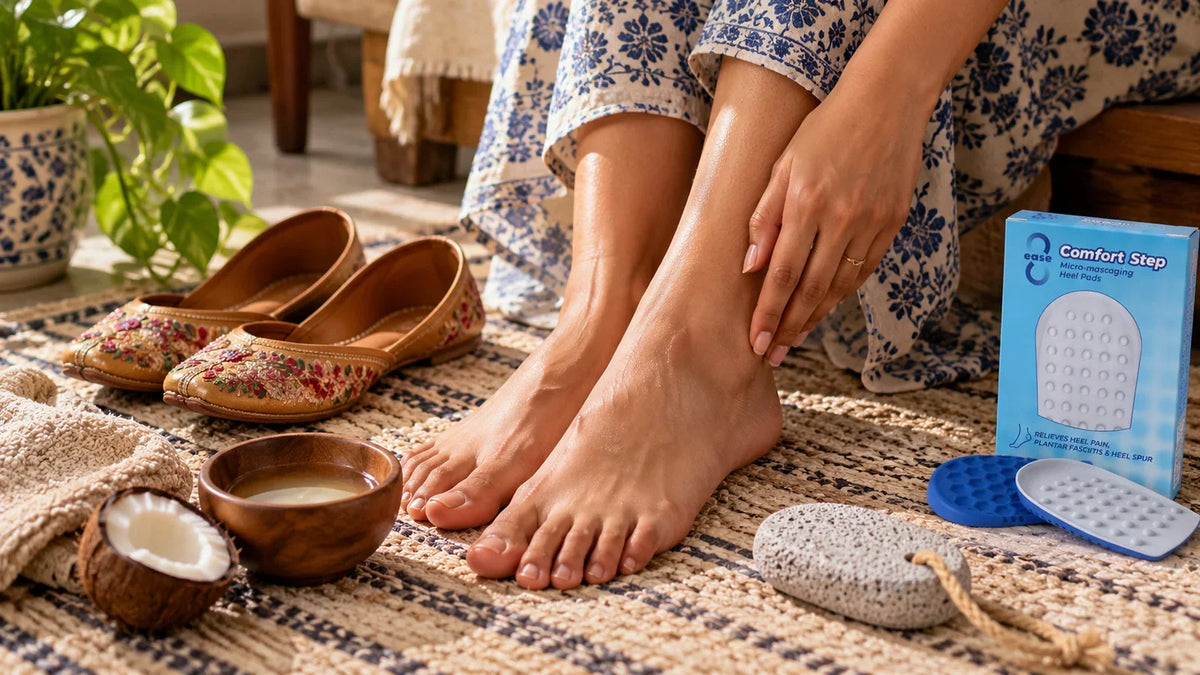
And for heel soreness in closed office shoes, the 8ease ComfortStep Heel Pads (₹279) are a micro-massaging PU foam heel pad with an anti-slip base. For heels and sandals, the Belle HighHeel Wellness pad (₹279) is shaped for a narrow heel bed. Sharp first-step pain in the morning that has lasted weeks needs a full insole with a deep heel cup, the Plantar Specialist.
How To Choose Foot Cushions for High Heels
High heels force all of a person's weight onto the ball of the foot. While a full-length insole might not fit, targeted foot pads can be used. One should look for:
- Metatarsal Pads: These are small gel or foam pads that sit just under the ball of the foot. They provide cushioning and prevent that burning sensation. That is the Belle ForefootComfort.
- Heel Grips: These stick to the back of the heel to prevent the foot from slipping and to stop blisters. That is the Belle BiteGuard strips. For flats that slide, Belle GripEase.
But the best long-term strategy is to support the feet 90% of the time. By wearing supportive insoles like 8ease Daily Relief in everyday shoes, a person strengthens her feet and makes them more resilient for those occasions when she does have to wear heels.
Pain Relief and Recovery Tips

When feet are already aching, they require fast relief. A good recovery plan combines immediate soothing actions with long-term strengthening. The best hacks for this include traditional Ayurvedic massage, a salt soak for its healing properties, and simple exercises to build foot strength.
In addition to these traditional hacks, modern technology offers new ways to get relief. The 8ease Circulo Active Mat, for example, is a powerful recovery tool.
Powered by Sp1ke™ Technology, its 100+ flexible tips deliver 'soft pressure therapy' that feels like a micro-massage for the feet. Standing on it for just a few minutes can help boost circulation, relieve swelling, and soothe soreness after a long day.
This same principle applies to sitting. Pain in the feet is often connected to posture and strain in the hips and back. The 8ease Circulo Focus Seat Cushion uses the same Sp1ke™ Technology to relieve pressure from the hips and tailbone, promoting better blood flow and easing nerve strain, which contributes to overall body comfort.
Ayurvedic Remedies and Foot Massage Oils for Pain Relief
A simple 5-minute foot massage before bed can change everything. It boosts circulation and eases muscle tension. Gently warm some sesame oil (til ka tel) or mustard oil (sarson ka tel). Thumbs can be used to press and rub in circular motions along the arch and heel. This is a powerful Ayurvedic practice for pain relief.
Soaking Feet: Salt Water & Epsom Salt Benefits
This is a classic for a reason: it works. After a long, tiring day, filling a tub or bucket with warm water and adding a generous handful of Epsom salt is a great solution. If that isn't available, regular table salt works too. Soaking the feet for 15-20 minutes is the fastest way to reduce swelling and soothe sore muscles.
Foot Exercises for Indian Women (Toe Curls, Marble Pickup, Sand Walking)
The feet have muscles that need strengthening. Stronger foot muscles act as the body's natural support system. These simple exercises can be tried:
- Towel Curls: While sitting in a chair, place a small towel on the floor. Use only the toes to scrunch it and pull it toward the chair.
- Marble Pickup: Place a few marbles (or pebbles) on the floor and use the toes to pick them up and drop them in a bowl.
- Sand Walking: For those lucky enough to be near a beach, walking barefoot on the soft sand is one of the best exercises for the feet.
Quick Foot Care Hacks at a Glance

Here is a quick summary of the most effective and popular foot care hacks, what they entail, and why they are well-suited to the Indian lifestyle.
| Hack | What to do | Why it works in India | What to use |
|---|---|---|---|
| The Sock Lock-in (Cracked Heels) | Apply thick cream (with urea) or coconut oil, then wear cotton socks to bed. | Works overnight to heal deep cracks common from dry winters and open sandals. | A urea foot cream or coconut oil |
| The Portable Mat (Hard Floors) | Insert a full-length supportive insole into everyday shoes (sneakers, juttis). | A modern fix for the pain caused by walking on hard tile/marble floors all day. | 8ease Daily Relief Arch Insole |
| The Ayurvedic Massage (Soreness) | Warm sesame (til) or mustard (sarson) oil and massage into the arch and heel for 5 mins. | A traditional, trusted method to boost circulation and relieve muscle fatigue quickly. | Sesame or mustard oil |
| The Monsoon Dry-Out (Infection) | Wash feet with antiseptic soap after walking in rainwater. Dry 100%, especially between toes. | A necessary hygiene hack to prevent fungal infections that thrive in our humid monsoon. | Antiseptic soap and a dry towel |
| The Active Mat Stand (Fatigue Relief) | Use an 8ease Circulo Active Mat where you stand the most (kitchen, desk). | Provides 'soft pressure therapy' to boost circulation and relieve soreness from hard floors. | 8ease Circulo Active Mat |
Prevention and Protection Strategies
A little prevention goes a long way. The best long-term strategies involve protecting feet from the Indian climate with proper hygiene and socks, knowing how to handle seasonal issues like monsoon infections, and using preventative support like insoles for the whole family.
Best Socks and Hygiene Practices for Indian Climate
It's best to choose socks made from natural, breathable materials. Cotton is good, but bamboo is even better as it's more moisture-wicking. Avoid polyester, which traps sweat and can lead to smelly feet and fungal infections. And it's worth repeating: always wear clean, dry socks.
Dealing with Fungal Infections and Sweaty Feet in Monsoons
Monsoon is the toughest time for feet. If feet get sweaty, a simple talcum powder or a special anti-fungal powder can be used in the morning. If one does get a mild fungal infection (like Athlete's Foot), an over-the-counter anti-fungal cream from the chemist will clear it up.
Foot Pads for Flats, School and Office
Foot pain doesn't just affect adults. Children also walk on hard floors and wear flat school shoes. And many women wear unsupportive flats to the office. The easiest way to protect the whole family is with supportive insoles. They act as a preventative "foot pad" for the entire foot, absorbing shock and providing support that flimsy flats and school shoes lack. For children, 8ease Sprouts is the trimmable school-shoe insole.
Indian Seasonal Foot Care Hacks

Feet have different needs in summer, winter, and monsoon. To keep them healthy year-round, it's essential to adapt a foot care routine, especially for the two most challenging seasons: the damp monsoon and the dry winter.
Monsoon Foot Care: Tips for Preventing Infections
- Avoid Walking in Stagnant Water: If possible, don't. It's a soup of bacteria.
- Wash Immediately: If feet do get wet, they should be washed with an antiseptic soap (like Dettol) as soon as one gets home.
- Dry Shoes Completely: Never wear damp shoes. Stuff them with newspaper to help them dry faster.
- Wash Insoles: For those who use 8ease insoles, a great hack is that they are machine washable. After a particularly wet day, they can just be tossed in the wash to keep them clean and hygienic.
Winter Foot Care Routine for Dry and Cracked Heels
In winter, the air is dry, and heels pay the price.
- Moisturise More: It's necessary to moisturise every single night. No exceptions.
- Use a Heavier Cream: Switch from a light lotion to a thick cream or even petroleum jelly.
- Wear Socks: Always wear socks, even around the house. Walking barefoot on cold floors can make cracks worse.
Small Hacks, Big Comfort: Putting It All Together
Taking care of feet isn't one big, difficult task. It's a collection of small, simple hacks. It's washing feet at night, choosing a cotton sock, or making the wise choice to upgrade a shoe with a supportive insole.
A woman's feet are her foundation. They carry her through every part of her busy life. By giving them a little daily care, she isn't just preventing pain, she's investing in her own comfort and well-being.
By integrating advanced solutions like the 8ease Circulo Active Mat for standing, the Focus Seat Cushion for sitting, and supportive insoles for walking, 8ease is making it easier than ever to build a foundation of health, starting from the feet up.
FAQs
What are the best home remedies for cracked heels in India?
The most effective home remedy is a nightly routine: soak the feet in warm water, gently scrub with a pumice stone, and then apply a thick moisturiser, such as coconut oil or a urea cream. Finish by wearing cotton socks to bed to lock in the moisture.
How do I choose the right comfort insoles for Indian footwear?
One should look for two things: support and material. A firm arch support is needed to fight the effects of flat footwear, not just a soft gel. Choose an open-cell foam material, like that used in 8ease insoles, which provides lasting cushioning, is breathable in our climate, and is durable enough not to flatten. Also, they should be "trim-to-fit" to be sized for specific shoes.
Are cushioned foot pads effective for high heels and ethnic sandals?
Yes, small, targeted pads (like metatarsal pads for the ball of the foot) can provide temporary relief in heels. However, for all-day comfort and long-term foot health, a full-length comfort insole in one's daily shoes (sneakers, office shoes) is far more effective. It supports the entire foot, making it stronger and more resilient when worn with less supportive footwear.
What is the fastest way to relieve foot pain after a busy day at work?
The fastest relief comes from a 15-minute soak in warm water with Epsom salt. This immediately reduces swelling and soothes sore muscles. Following it with a 5-minute massage using a warm oil can make a person feel even better. In addition to a warm soak, using a 'soft pressure therapy' mat like the 8ease Circulo Active Mat can provide quick relief. Standing on its massaging tips helps to quickly boost circulation and ease soreness in the feet and legs.
Which foot creams and oils work best for Indian climate?
For moisturisers, look for thick creams with urea or lactic acid that absorb well. For massage, traditional Ayurvedic oils like sesame (til) oil or mustard (sarson) oil are excellent. They are nourishing and have warming properties that help relieve muscle pain.
How often should I scrub and exfoliate my feet?
Gently, 1-2 times per week. Never scrub hard, dry, or cracked skin, as this can cause damage. Always soak the feet first to soften the skin, then use a pumice stone or file.
What are good ways to prevent foot infections during monsoons?
The key is to keep feet clean and dry. Wash feet with antiseptic soap after walking through rainwater. Dry thoroughly, especially between the toes. Wear breathable cotton socks, and make sure shoes are completely dry before wearing them again.
Can foot care hacks help prevent diabetes-related foot problems?
Yes, simple care is critical for diabetes. Daily inspection for cuts, careful washing and drying, and always wearing comfortable, well-fitting shoes with supportive insoles can help prevent serious complications. (Note: If an individual has diabetes, they should always consult their doctor about their specific foot care routine.)
What daily foot exercise routines help with pain and flexibility?
Simple toe curls (scrunching a towel with the toes), picking up small objects like marbles with the toes, and gently rotating the ankles are all great for flexibility and strength.
Are there Ayurvedic treatments for chronic foot pain available in India?
Yes, Ayurveda offers many solutions. A "Padabhyanga" (Ayurvedic foot massage) with medicated oils is a well-known treatment for relieving pain, reducing stress, and improving circulation. An Ayurvedic practitioner can be consulted for oils and techniques specific to one's needs.
Which 8ease is right for you?
| If this sounds like you | Start with | Price |
|---|---|---|
| Tired feet from hard floors in everyday shoes | Daily Relief Arch Insole | ₹549 |
| Flats, juttis and sandals with no arch support | Belle ArchEase Cushions | ₹279 |
| Heel pain in heels and party sandals | Belle HighHeel Wellness | ₹279 |
| Shoe bite from new juttis | Belle BiteGuard strips | ₹279 |
| Hours standing in the kitchen | Circulo Active Mat | ₹3,500 |
| Long hours sitting at a desk | Circulo Focus Seat Cushion | ₹2,899 |
Free delivery above ₹599. 15-day easy returns. Ships in 5 to 7 days.
This article is general information, not medical advice. If pain is severe, sudden, or does not ease with support and rest, please see a doctor or physiotherapist.
Related blogs