

Ever wished your sandals felt as comfortable as your sports shoes?
Found yourself choosing sneakers over formal shoes, not for the look but because your feet just cannot take the pain?
There is a reason why your sports shoes feel better. They usually come with a pair of good-quality, soft, supportive shoe inserts. Those removable pieces are called insoles. And no, it is not just extra padding. Good insoles can make a real difference, supporting your arches, reducing pressure, improving posture, and making any shoe feel like it was made just for you.
Whether you are on your feet all day at work, chasing after your kids, or recovering from a nagging foot ache, insoles might be the quiet solution your feet have been waiting for. Let's break it down.
What are insoles?
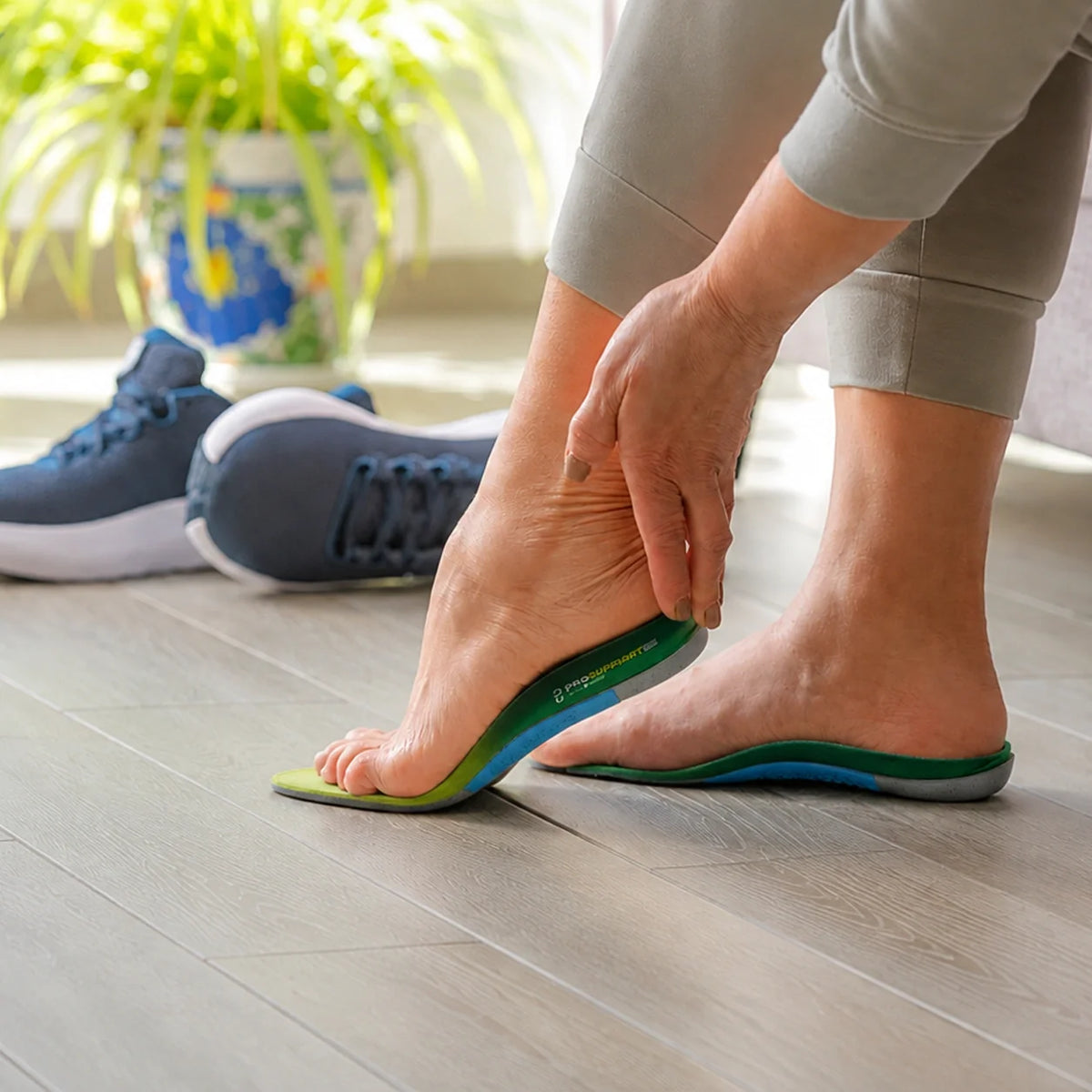
Insoles are soft shoe inserts that go inside your shoes to make walking, standing or running more comfortable. They help cushion your feet, support your arches, and reduce pressure from daily movement.
There are different types of insoles:
- Gel insoles that absorb shock
- Memory foam insoles that feel soft and cosy
- Leather insoles for a natural, smooth feel
- Orthotic insoles for extra foot support
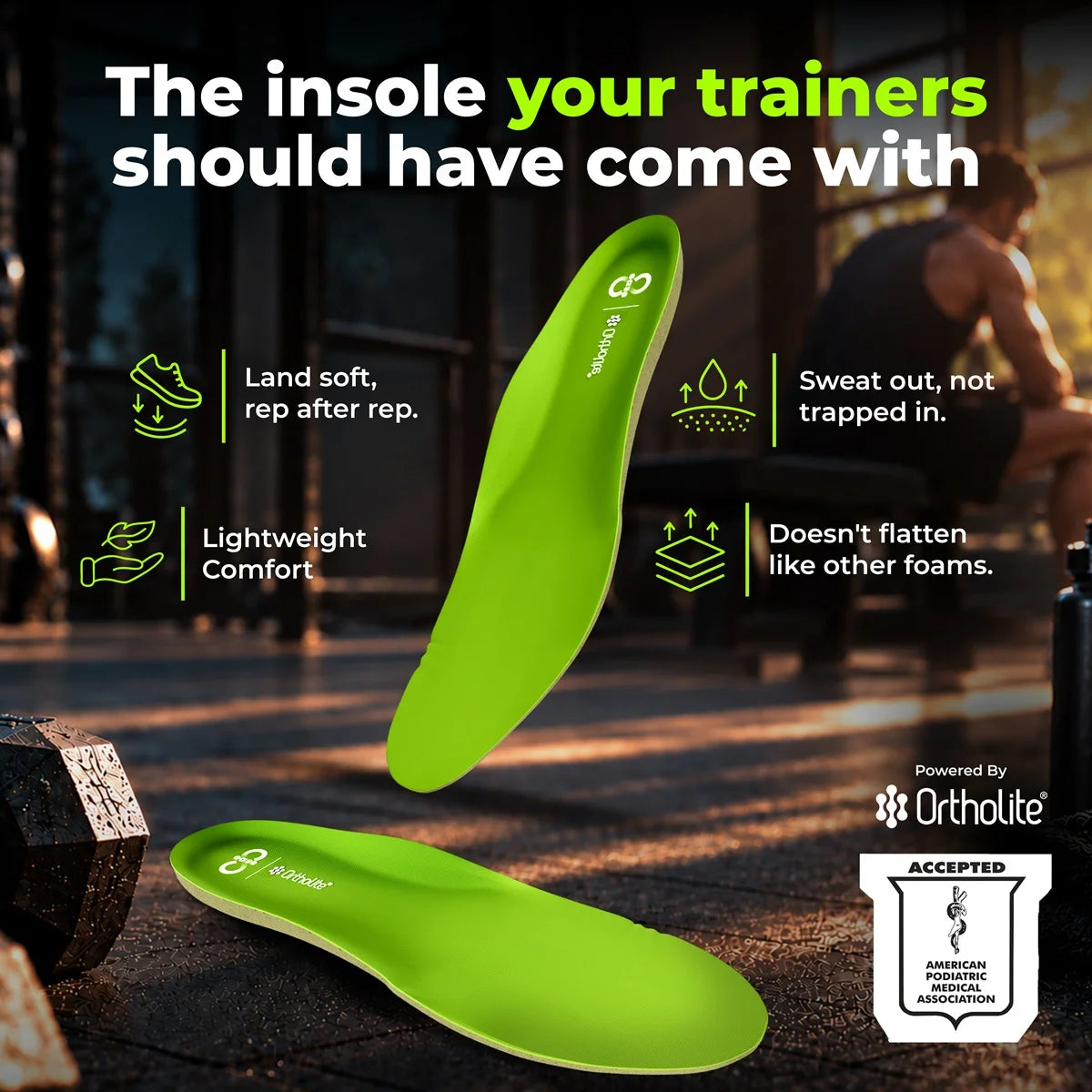
Among these, insoles made with open-cell foam work really well. They are light, airy, and let your feet breathe while still giving great support. When your feet are supported properly, the comfort helps you perform better. At work. At home. On the move.
Why should you care about insoles?
Your feet do far more than most shoes are built to support. From long commutes and uneven roads to hours of standing, flat sandals, Kolhapuris, juttis and even sneakers often lack proper arch support, which leads to discomfort and foot fatigue.
As we age, this lack of support becomes more noticeable. That is where insoles come in. With proper cushioning and alignment, they help reduce fatigue, improve comfort, and prevent foot issues from getting worse.
If you are thinking "my shoes already have inserts", those are usually just thin liners, not real support. Specialised insoles, like insoles for flat feet, insoles for heel pain, or insoles for sport, are designed to meet your foot's specific needs.
When do you need insoles?
1. Side-foot pain or bunions
Bunions form when the big toe drifts inward. This usually happens due to overpronation, flat feet, or tight footwear. An arch support insole helps by stopping the inward roll that loads the big toe joint. For the narrow shoes and heels that make bunions worse, a slim forefoot cushion like the Belle ForefootComfort takes pressure off the ball of the foot. If the bunion is painful or growing, see a doctor before anything else.
2. Shock absorption for running and sports
Activities like running and jumping send sharp shocks through the feet. While standard athletic shoes cushion general movement, they often lack targeted heel cups or rebound foam. Insoles with deep heel cups and open-cell foam reduce the impact on your joints and protect knees and lower back. The Sports Support Insole is the one most people start with; for badminton and cricket there is a dedicated insole each. Our sports insoles guide covers which is which.
3. Post-pregnancy ankle and heel pain
Hormonal changes and weight fluctuations during pregnancy can loosen ligaments and alter posture. After childbirth, these changes can linger, and many women find their arch has dropped a size. Insoles with reinforced heel support and moderate arch elevation stabilise the foot and counteract the strain. Do the wet foot test in our arch support guide to see where your arch is now, then pick the ProSupport height that matches.
4. Flat feet or running-related back pain
Flat feet may cause excessive inward rolling (overpronation), which can misalign the knee and hip and place extra stress on the lower back while walking or running. A structured arch support insole realigns the foot, reducing strain and improving gait. The ProSupport Low Arch is built for exactly this foot, and our flat feet guide explains why it is so common in India.
5. Fatigue from long work hours and frequent shoe changes
Swapping between formal, casual and athletic shoes often means inconsistent support across the day. A lightweight, breathable, trim-to-fit insole keeps cushioning and alignment the same in every pair, reducing muscle fatigue in the feet, legs and lower back. The Daily Relief Arch Insole is the everyday answer: a moulded insole with a soft foam arch that supports without feeling firm underfoot. If you stand in one place for hours, in a kitchen or at a counter, the Circulo Active Mat supports you from below the shoe.
6. Sandals, flats and juttis that have no insole at all
This is the Indian case most insole articles skip. For a large part of the year many of us are in open footwear, and a full insole simply will not go in. The answer is a slim pad that sticks to the footbed: the Belle ArchEase Cushions for arch support in flats and sandals, the Belle HighHeel Wellness pads for heels, and BiteGuard strips for the shoe bite that comes with new juttis.

What are the benefits of using insoles?
Smartly designed insoles can prevent foot problems or help you recover from them. Here is how they help:
- Relieve fatigue by evenly distributing weight to reduce foot strain.
- Support alignment by maintaining the natural arch position for better posture.
- Improve comfort with breathable, cushioning materials like open-cell foam.
- Absorb impact to protect joints on hard surfaces.
- Boost sports performance by reducing muscle fatigue and returning energy.
- Aid recovery by supporting healing from plantar fasciitis and heel spurs.
- Reduce the risk of injury by providing proper foot support and shock absorption.
How to choose the right insole for your feet
If you have just realised the need to buy a pair of insoles but do not know how to choose, don't worry. Here are the top five things to look for.
| Things to look for | How they help you |
|---|---|
| Open-cell foam for breathability and durability | Allows 95 to 100% airflow for cool, dry feet |
| Moisture-wicking materials | Prevents sweaty discomfort, especially in Indian weather |
| Compression resistance below 5% | Helps make the insoles last longer |
| Lightweight cushioning | Keeps you light on your feet throughout the day |
| The APMA Seal of Acceptance | Reviewed and accepted by the American Podiatric Medical Association |
1. Made with breathable materials
The Indian climate is warm and humid, which can lead to moisture build-up. This can cause discomfort, odour and skin problems. Look for breathable materials that keep your feet cooler. Open-cell foam allows 95 to 100% airflow, so your feet stay cool and dry throughout the day. Avoid gel, which does not ventilate.
2. Moisture-wicking components
Moisture-wicking fabrics and foams actively pull sweat away from your skin to the surface of the insole, allowing it to evaporate quickly. This keeps feet dry, prevents sogginess, and keeps the odour down, which matters in humid Indian weather.
3. Durability
You would not want to replace your insoles every few weeks. Check for durability before buying. Specifically, an insole's compression resistance, which measures how well it maintains thickness and cushioning under pressure. Insoles with less than 5% compression will not flatten quickly, preserving comfort and support. Our guide to how long insoles last goes into this.
4. Lightweight
If you are on the move all day, choose lightweight insoles that will not add extra weight to your shoes. Lighter cushioning reduces fatigue and makes every step easier.
5. Recommended by podiatrists
Look for the APMA Seal of Acceptance. It means the American Podiatric Medical Association has reviewed the product for foot health and accepted it. 8ease Ortholite® insoles carry the Seal.

Are insoles cost effective?
Yes. Instead of buying separate shoes for work, sports or walking, you can swap insoles tailored for each need into one pair. High-quality insoles last 2+ years, making them a smart and lasting investment in comfort. At ₹549 for the Daily Relief Arch Insole, that is less than a rupee a day. The Basics Revive at ₹299 is the entry point if you want to try an insole before committing: the same Ortholite foam, die-cut flat rather than moulded, so you get the cushioning without the arch.
The 8ease range, by what your feet need
Most insoles fit into two categories, daily comfort and sports. We have built the range around a longer list, because Indian feet have a longer list of problems. Here is the map.
| What your feet need | The range | Start here |
|---|---|---|
| Everyday comfort for long hours of standing or walking | Insoles: Daily Relief Arch Insole (a moulded insole with a soft foam arch), Basics Revive (an entry-level die-cut insole) | Daily Relief Arch Insole, ₹549. On a tight budget, Basics Revive, ₹299, gives you Ortholite cushioning in a flat die-cut insole, without the moulded arch |
| Flat feet, high arches, or structured arch support | Orthotic insoles: ProSupport Low, Medium and High Arch | Choose by arch type. ProSupport Low Arch, ₹849, for flat feet |
| Sharp heel pain, plantar fasciitis, heel spurs | Orthotic insoles: Plantar Specialist, ComfortStep Heel Pads | Plantar Specialist, ₹1,499. Pad only: ComfortStep, ₹279 |
| Running, gym, badminton, cricket | Sports insoles: Sports Support Insole, Racket Pro, Cricket Pro | Sports Support Insole, ₹649 |
| A child's growing feet or flat feet in school shoes | Insoles for kids: 8ease Sprouts | 8ease Sprouts, ₹799 |
| Heels, flats, sandals and juttis | Women's footwear accessories: the Belle series | Belle ArchEase Cushions, ₹279 |
| Standing in one place, or sitting all day at a desk | Mats and cushions: Circulo Active Mat, Focus Seat Cushion | Circulo Active Mat, ₹3,500 |
Choosing the right insole is a small but powerful step toward pain-free feet and better performance, whether at work or play. Pick your pair wisely.
Which 8ease is right for you?
| If this sounds like you | Start with | Price |
|---|---|---|
| Tired feet after a long day on hard floors, want a soft arch | Daily Relief Arch Insole | ₹549 |
| Your first insole, cushioning on a budget, no moulded arch | Basics Revive | ₹299 |
| Flat feet or arches that roll inward | ProSupport Low Arch (7 mm) | ₹849 |
| Sharp heel pain in the morning | Plantar Specialist | ₹1,499 |
| Running, gym or weekend sport | Sports Support Insole | ₹649 |
| A child in school shoes | 8ease Sprouts | ₹799 |
| Sandals, flats or juttis | Belle ArchEase Cushions | ₹279 |
Not sure of your arch type? The wet foot test takes two minutes. It is in Arch support insoles: how do they work.
Free delivery above ₹599. 15-day easy returns. Ships in 5 to 7 days.
FAQs
Q: Are insoles eco-friendly?
Many are. Ortholite® foam, which 8ease insoles are made with, uses recycled rubber and bio-oil from castor beans and is certified for low environmental impact.
Q: How long do insoles last?
High-quality insoles compress less than 5 percent over time and can last 2+ years with regular use.
Q: Do I need different insoles for different shoes?
Not always. If the insole is washable and trim-to-fit, you can rotate it between different shoes. However, using specific insoles for different activities, a sports insole for the gym and an everyday insole for work shoes, gives better results.
Q: Are insoles washable?
Yes. 8ease insoles made with open-cell foam are machine washable. Air dry away from direct heat.
Q: How often should I replace my insoles?
A good quality pair should last 2+ years. Replace if you notice loss of cushioning or shape.
Q: Can insoles fix foot pain permanently?
They help manage symptoms and prevent strain but do not cure structural issues. They work best when used consistently with proper footwear.
Q: Which 8ease insole should I buy first?
If you have no specific condition and your feet are just tired, the Daily Relief Arch Insole, a moulded insole with a soft foam arch. If you only want cushioning at the lowest price, the Basics Revive, a die-cut insole without a moulded arch. If you have flat feet, the ProSupport Low Arch, which has a firmer structured arch shell. If your heel hurts in the morning, the Plantar Specialist. The map above covers the rest.
This article is general information, not medical advice. If foot pain is severe, sudden, or does not ease with support and rest, please see a doctor or physiotherapist.
Related blogs
- Arch support insoles: How do they work and why do Indian feet need these?
- Flat Feet in India: Why It's So Common and Which Insoles Help
- Heel pain and plantar fasciitis: causes, and which insole or heel pad helps
- Sports Insoles Guide: Which One Fits Running, Gym, Badminton and Cricket
- Are 8ease insoles worth it? Here's what you should know