
Working from home has become a part of life for many of us in India. But let's be honest: our home setups aren't always kind to our bodies. That dining chair, the kitchen counter, or even the sofa, wasn't designed for an eight-hour workday.
The result? Nagging back pain, a stiff neck, and tired, aching feet.
The word "ergonomics" might sound complicated or expensive, but it's really just about setting up your workspace to fit you. It's about making small, smart changes that can have a big impact on your health and productivity. And it doesn't always mean buying a five-figure chair. Sometimes, the solution is as simple as a good cushion or a supportive mat.
Why Choose Anti-Fatigue Mats for Indian Homes?
Many of us are trying to be healthier by using a standing desk. It's a great way to avoid sitting all day. But there's a problem: our floors.

Most Indian homes have hard flooring, like tile, marble, or granite. Standing on these unforgiving surfaces for hours is just as bad as sitting in a bad chair. The shock travels from your feet up your legs, through your knees, and into your lower back. This is where an anti-fatigue mat comes in. It's a small change that offers a lot of comfort.
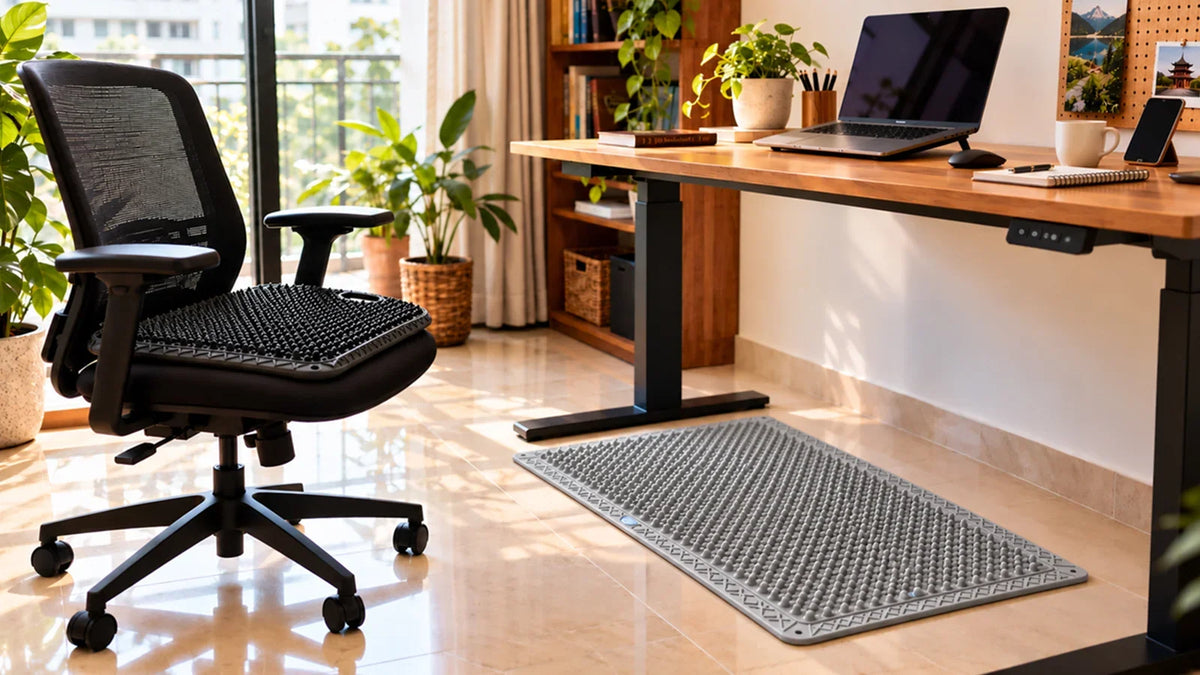
As a leader in comfort technology, 8ease has developed an advanced solution called the 8ease Circulo Active Mat. This mat is "Made to support long hours on your feet" and is powered by the globally patented Sp1ke™ Technology.
This technology is a form of 'soft pressure therapy' using over 100 flexible massaging tips. The science is based on biomimicry, creating a surface that provides constant, gentle stimuli to the feet.
This somatosensory stimulation helps maintain micro-movements. In turn, this boosts blood and oxygen circulation, relieves swelling, and eases soreness from standing. It's designed to support the vital body-brain connection, helping you stay focused and balanced.
Health and Productivity Benefits of Anti-Fatigue Mats
An anti-fatigue mat is made from a cushioned material that forces your feet and leg muscles to make tiny, constant movements. You won't even notice you're doing it, but these "micro-movements" are the key.
- Better Blood Flow: These movements keep your blood from pooling in your legs, which is what makes you feel tired and stiff.
- Reduced Strain: The mat absorbs the shock of standing on a hard floor, taking the pressure off your feet, joints, and spine.
- Less Pain: All of this leads to less pain in your lower back, knees, and feet.
- Improved Focus: When your body isn't in pain or feeling fatigued, your mind can focus better on your work.
Where to Use Anti-Fatigue Mats in Indian Settings
The most obvious place is at your standing desk. But think about other places in your home where you stand for long periods:
- In the Kitchen: This is a perfect spot. Think about the time spent chopping vegetables, washing dishes, or standing over the stove. A mat can make kitchen work much more comfortable.
- At a Hobby Table: If you paint, craft, or work on models, a mat can help you stay comfortable for longer.
- In the Utility Area: Even standing to iron clothes can be tough on your back. A mat provides simple relief.
Comparison Table: Different Types of Anti-Fatigue Mats for Home/Office
| Mat Type | Best For | Good to Know (Indian Context) |
|---|---|---|
| Foam (PU) | Home offices, kitchens | A great balance of comfort and price. It's lightweight and easy to wipe clean. |
| Gel | Standing for 4+ hours | Offers excellent pressure relief but is often more expensive. |
| Rubber | Workshops, high-traffic areas | Very durable and anti-slip. Good for areas that might get wet, but can be heavy. |

Best Ergonomic Seat Cushions for Prolonged Indian Workdays
For the many hours we do sit, the chair itself is the problem. Most dining chairs or basic office chairs are too hard and flat. They put all your weight directly onto your tailbone and force your spine into an unhealthy "C" shape.

A good ergonomic seat cushion is a simple fix. It's designed to distribute your weight evenly and support a healthy posture, even on the most basic chair.
To address this exact need, 8ease created the Circulo Focus Seat Cushion, which is "Made for long hours of pain-free sitting."
Like the Active Mat, it is also powered by Sp1ke™ Technology. Its 100+ micro-massaging tips provide 'soft pressure therapy' to relax the hips and promote an upright posture.
This technology, which 8ease calls 'The Circulo Effect,' works by stimulating muscles to boost blood and oxygen flow, even while at rest. This helps take pressure off the back, hips, and tailbone, relieving numbness and easing nerve strain, such as sciatica.
By keeping the body relaxed and free from stiffness, it supports a seamless body-brain connection, helping you stay focused and productive for hours.
Top Features in an Ergonomic Seat Cushion India
When you're looking for a seat cushion, here's what matters:
- "U" or "W" Shape: Look for a cushion with a cutout at the back. This "coccyx cutout" removes all pressure from your tailbone, which is a major source of back pain.
- Supportive Material: It shouldn't just be soft; it needs to be supportive. High-density foam or memory foam that contours to your shape is ideal.
- Non-Slip Bottom: A bottom with a rubber grip stops the cushion from sliding off your chair every time you move.
- Washable Cover: This is essential in our Indian climate. A removable, breathable (mesh or cotton) cover that you can wash keeps it fresh and hygienic.
How Seat Cushions Help Reduce Back Pain for Indians
Back pain from sitting often starts with bad posture. A flat chair tilts your pelvis backwards, causing your lower back to slump. This strains your muscles and discs.

An ergonomic cushion fixes this in two ways:
- It relieves pressure: The coccyx cutout lets your tailbone "float" instead of being compressed.
- It promotes good posture: The wedge shape of many cushions gently tilts your pelvis forward. This helps your spine maintain its natural, healthy "S" curve, reducing strain on your lower back.
Seat Cushion Material Comparison for Indian Climate
| Material | Pro | Con (for Indian Climate) |
|---|---|---|
| Memory Foam | Excellent contouring & support | Can trap body heat and feel very warm. |
| Gel-Infused Foam | Contours like memory foam | The gel layer helps to pull heat away, making it much cooler. |
| High-Density Foam | Very firm support, durable | Less "cushy" and can also feel warm without a good cover. |
The most important feature for India is a breathable cover. No matter the foam, a good mesh or cotton cover is what will keep you from feeling hot and sweaty.
Setting Up Your Indian Home Office Ergonomically
A mat and a cushion are great starts, but a truly comfortable office is about the whole setup. You don't need to spend a lot of money to get it right.
Quick Ergonomic Checklist for Indian Home Offices

- Your Screen: The top of your monitor should be at or just below your eye level. (Pro-tip: Use a stack of books or a laptop stand to raise your laptop.)
- Your Back: Sit all the way back in your chair. Your lower back should be supported. Use a rolled-up towel or a cushion to fill any gap.
- Your Arms: Your elbows should be at a 90-degree angle, close to your body. Your wrists should be flat when you type, not bent up or down.
- Your Knees: Your knees should also be at a 90-degree angle, with your feet flat on the floor.
- Your Feet: If your feet don't reach the floor, use a small stool or box as a footrest. Never let them dangle.
- Move! The most important rule. Get up every 30-40 minutes. Walk around, get some water, and stretch.
Common Ergonomic Mistakes to Avoid in Indian Homes
- Working from the Sofa or Bed: This is the worst for your spine. It forces your neck and back into a constant slump. Do it only for short periods.
- The "Laptop Hunch": Staring down at a laptop screen on a desk is a direct path to neck and shoulder pain. Always use a laptop stand to bring the screen to eye level.
- The Dining Chair Problem: Using a hard, wooden dining chair without a seat cushion puts massive pressure on your tailbone.
- Forgetting Your Feet: Whether sitting with your feet dangling or standing barefoot on hard tile, we often ignore our feet, and they are the foundation of our entire posture.
Affordable Ergonomic Products in India
You don't need a 50,000-rupee chair. You can build a comfortable, ergonomic office with a few smart, affordable items:
- A Laptop Stand: Instantly fixes your neck posture.
- An Ergonomic Cushion: Upgrades any chair you already own.
- An External Keyboard/Mouse: Lets you position your hands and wrists correctly.
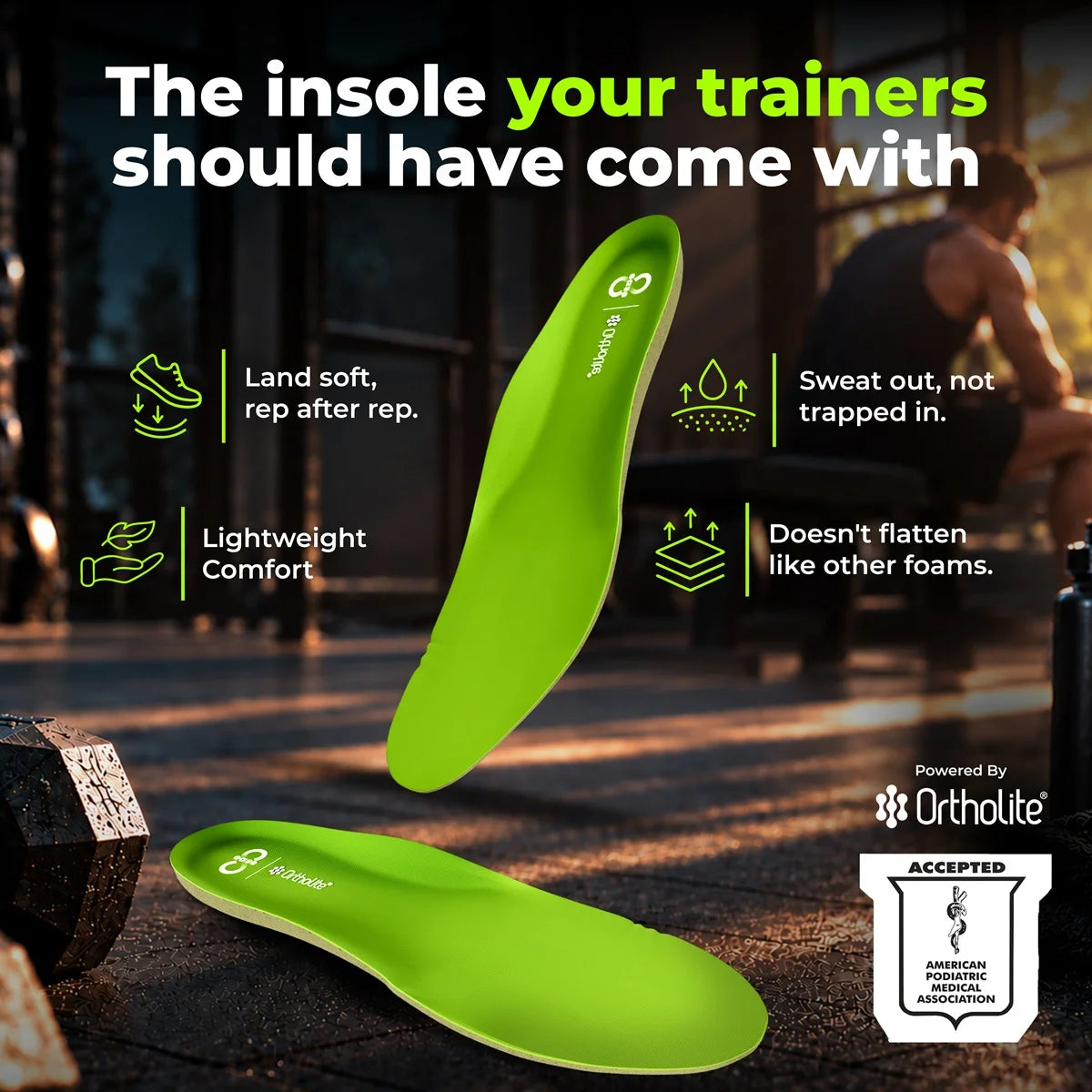
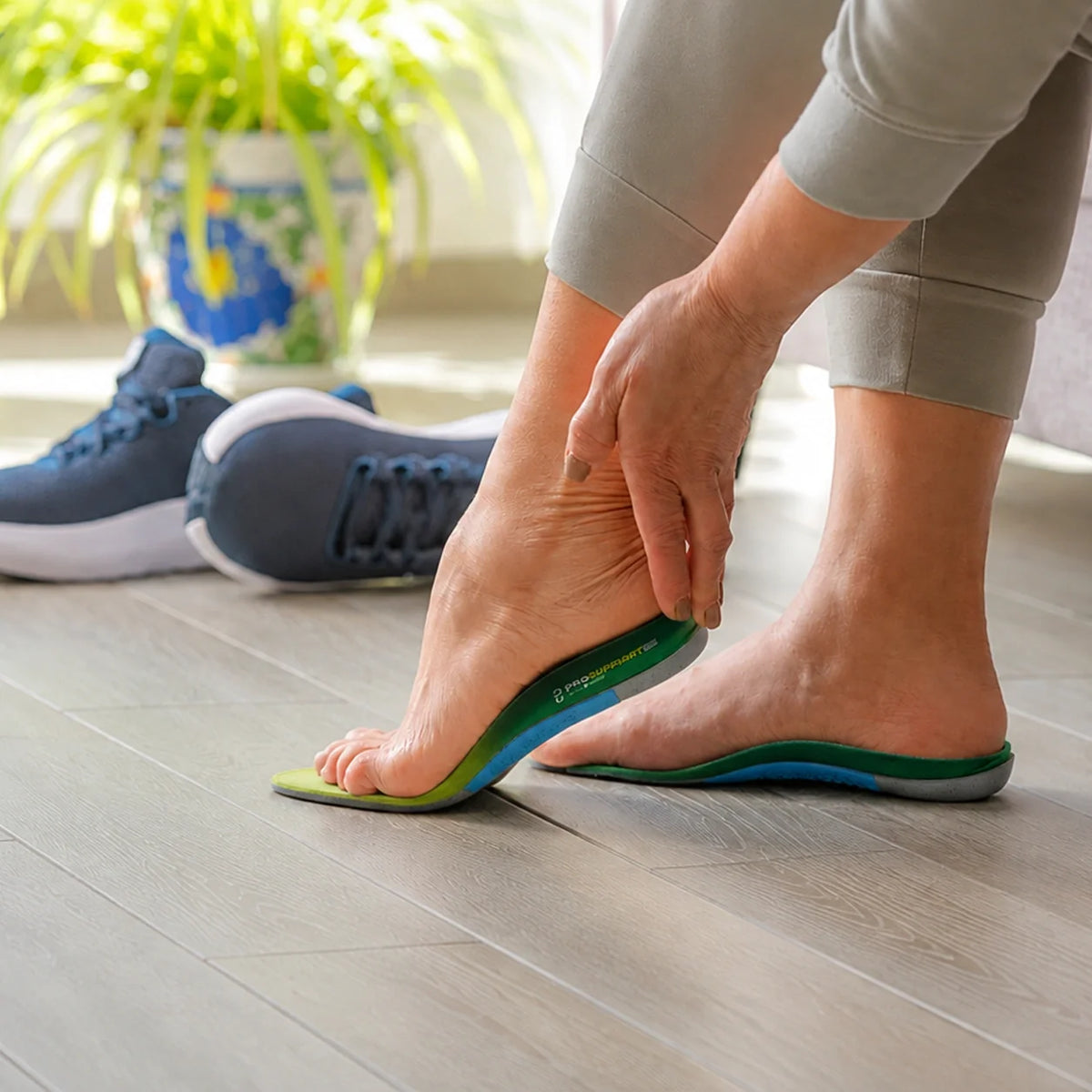
- Orthotic insoles: This is an upgrade most people forget. While a mat is great for your standing desk, what about the rest of the time you're walking on hard floors? A high-quality insole is like a personal, portable anti-fatigue mat.
Products like 8ease insoles are designed for this exact purpose. They provide the arch support and cushioning your feet need to handle hard Indian floors, reducing fatigue and pain in your feet, knees, and back all day long.
And for those who suffer from specific heel pain in office shoes, the 8ease ComfortStep Heel Pads, ₹279, are a micro-massaging PU foam heel pad with an anti-slip base that sits low enough to work in a formal shoe.
Why These Simple Upgrades Are Worth It
Creating a comfortable home office is a journey, not a one-time purchase. It's about listening to your body. That ache in your back or the tiredness in your feet is a signal to make a change.
Start small. A cushion like the 8ease Circulo Focus Seat can transform your chair. An anti-fatigue mat like the 8ease Circulo Active Mat can make standing a pleasure. And supporting your feet with the right insoles can change how your entire body feels, from the ground up. These simple upgrades aren't luxuries; they are essential for staying healthy, happy, and productive while working from home.
Frequently Asked Questions
What are the unique benefits of anti-fatigue mats in Indian home offices?
The main benefit is for our floors. Most Indian homes have hard tile or marble, which creates a lot of shock on our joints. An anti-fatigue mat absorbs this shock, boosts blood flow in your legs, and prevents the stiffness that comes from standing on a hard surface.
How do ergonomic seat cushions help with back pain for Indian users?
They help by taking pressure off the tailbone (coccyx) and promoting good posture. Most chairs in our homes are hard and flat, which makes us slump. A cushion, especially one with a cutout, supports the natural curve of the spine and relieves lower back pain.
Can anti-fatigue mats be used in Indian kitchens and standing workstations?
Yes, they are perfect for both. In fact, the kitchen is one of the best places for one. We spend hours standing on hard kitchen tiles while cooking and cleaning, which is very tiring for the back and feet. A mat provides simple, effective relief.
How do anti-fatigue mats improve productivity when working from home in India?
It's simple: when you're not in pain, you can focus better. Physical discomfort is a major distraction. By reducing fatigue and aches from standing, the mat helps keep your body comfortable, so your mind can stay clear and focused on your work.
Are there affordable yet effective ergonomic products for Indian professionals?
Absolutely. You can start with simple things like a laptop stand (or even a stack of books) and an external keyboard. An ergonomic seat cushion is a very affordable way to upgrade any chair. Another highly effective, low-cost upgrade is a pair of quality orthotic insoles, like those from 8ease, to give your feet support inside your shoes all day.
Which 8ease is right for you?
| If this sounds like you | Start with | Price |
|---|---|---|
| You stand at a standing desk, kitchen counter or hobby table | Circulo Active Mat | ₹3,500 |
| You sit eight hours a day on a hard chair | Circulo Focus Seat Cushion | ₹2,899 |
| Your feet ache from walking on hard floors the rest of the day | Daily Relief Arch Insole | ₹549 |
| Heel soreness in office shoes | ComfortStep Heel Pads | ₹279 |
Free delivery above ₹599. 15-day easy returns. Ships in 5 to 7 days.
This article is general information, not medical advice. If pain is severe, sudden, or does not ease with support and rest, please see a doctor or physiotherapist.
Related blogs